
My Journey Into Full-Stack Development: From College to Real Projects
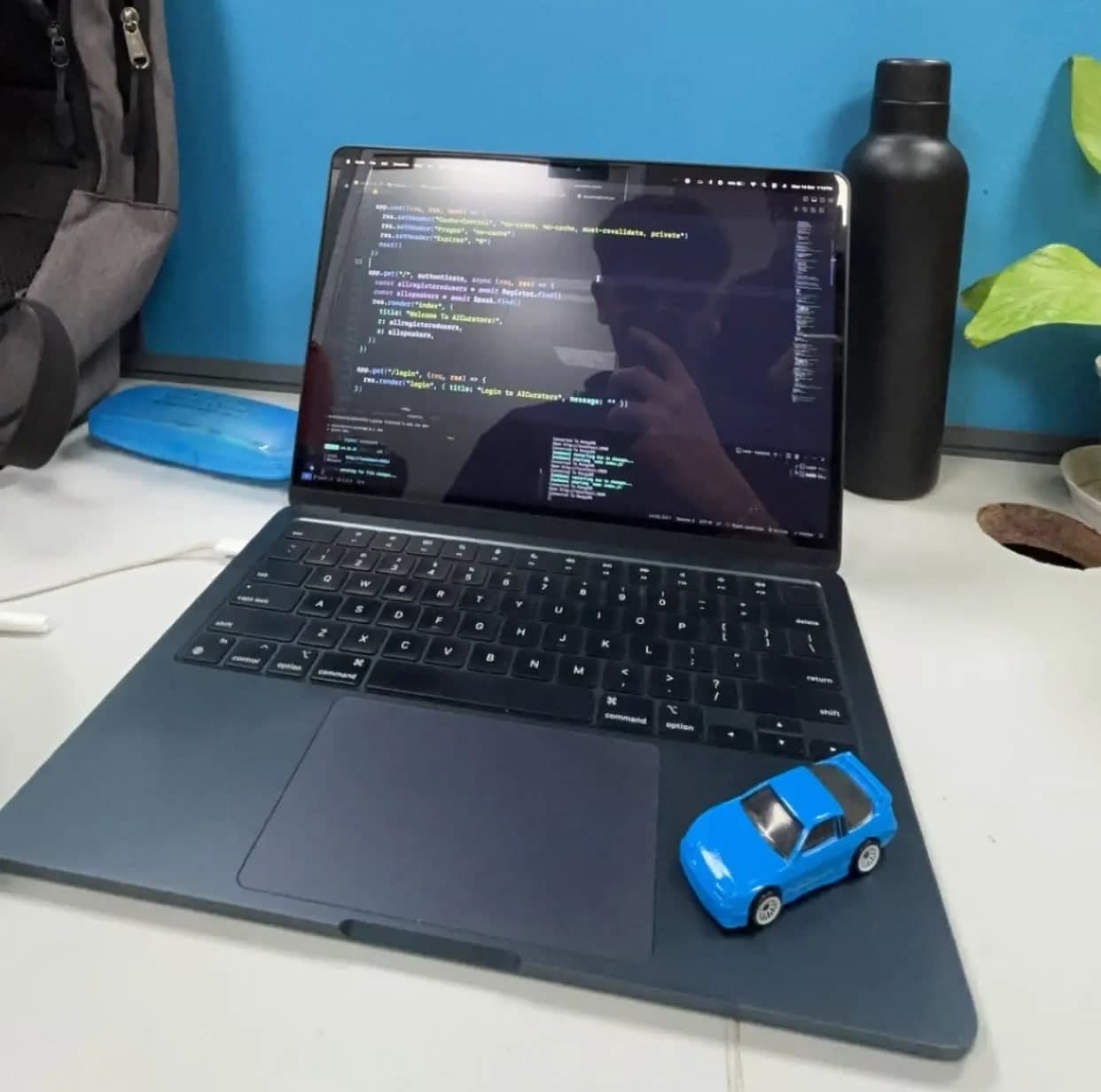
A personal journey of how I moved from classroom theory to building real-world applications, learning the MERN stack, solving unexpected challenges, and discovering what it truly means to be a full-stack developer.
Transitioning from college assignments to real-world full-stack development has been one of the most defining phases of my life. What started with basic programming concepts in a classroom slowly turned into building complete applications that people actually use. This journey wasn’t linear—it involved self-learning, late-night debugging sessions, unexpected breakthroughs, and plenty of “Aha!” moments.
In this blog, I want to share how I moved from theory-heavy college learning to creating real projects using the MERN stack, and how that shaped me as a developer.
The Early Days — Understanding the Basics
College gave me foundational knowledge: data structures, algorithms, and how the web works. But like most students, I didn’t immediately see how this translated into real apps. Still, those basics helped me think logically, solve problems, and understand the building blocks of software.
The turning point came when I wrote my first JavaScript function that actually worked as expected. That tiny piece of code was a spark. I realized programming wasn’t just about exams—it was a tool to build things people needed.
Discovering the MERN Stack
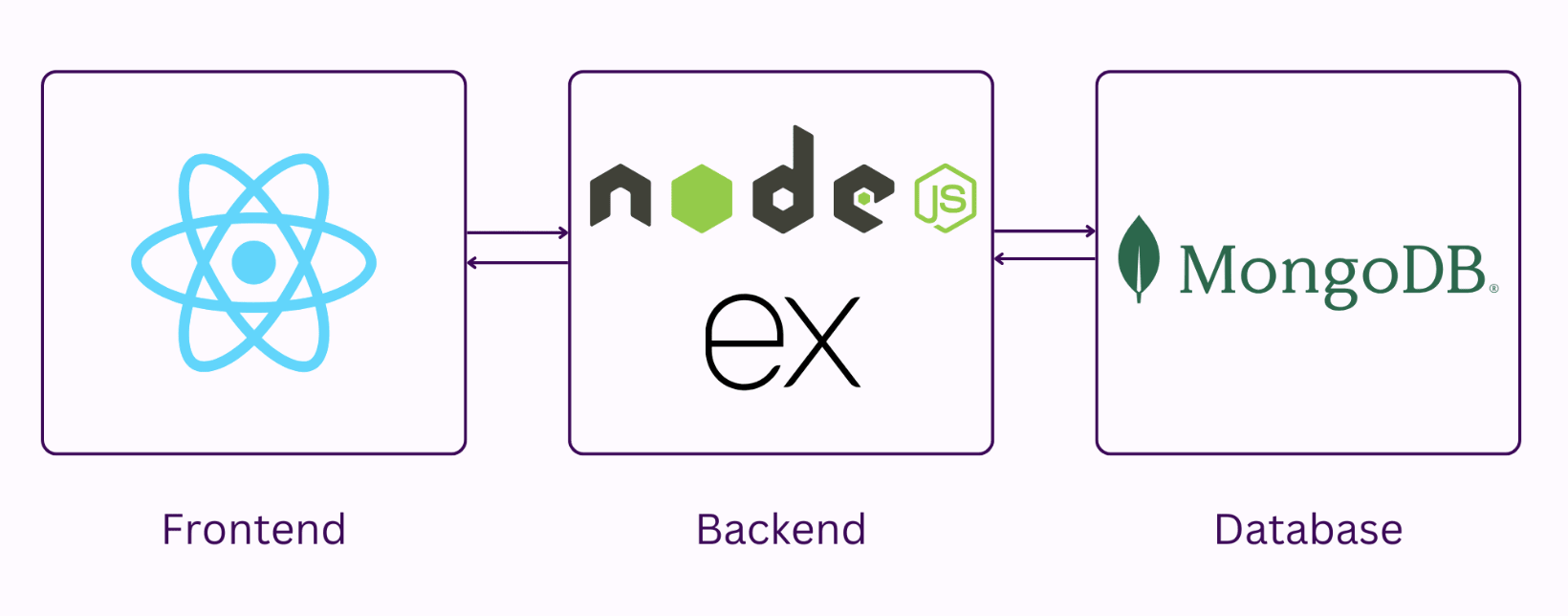
As I explored frameworks and languages, the MERN stack—MongoDB, Express, React, and Node—just felt right. It was JavaScript end-to-end. It was fast. And more importantly, it made sense to me.
I started with small experiments:
- A simple login system
- A to-do app with a backend
- A notes app connected to MongoDB
These weren’t groundbreaking projects, but each one taught me essential concepts like REST APIs, frontend state management, and database schemas. Slowly, I moved from tutorials to writing my own logic, my own architecture, and my own flow.
Hands-On Learning: Where College Ends and Real Development Begins
College classes rarely prepare you for version control, error handling, deployment pipelines, or authentication flows. These were things I had to learn on my own while working on real projects.
When I built my first full-stack application from scratch, everything changed. I understood:
- how to structure a backend
- how to manage client-side state cleanly
- how to handle authentication
- how to optimize API responses
- how to debug cross-origin issues
- why clean architecture matters
Every mistake taught me something important—often more than any textbook.
Internships and Real Project Exposure
Working on actual client projects showed me the difference between “code that runs” and “code that works in production.” I learned to think about:
- performance
- scalability
- data validation
- user experience
- clean UI/UX
- secure authentication
- maintainable folder structures
There’s something powerful about seeing a feature you built being used by real users. It made the journey feel worth it.
Building Real Apps — Where Confidence Comes In
By now, I wasn’t just solving problems…I was designing solutions.
I built complete MERN and TypeScript projects like:
- authentication systems
- payment-integrated apps
- content management platforms
- social features
- admin dashboards
- user-friendly interfaces
These projects taught me how to debug efficiently, write cleaner code, and build for users rather than just passing lab assignments.
Looking Forward — The Journey Never Stops
The biggest lesson? Full-stack development isn’t a destination. It’s a continuous evolution. Every project adds to your skill set, every bug makes you sharper, and every deployment teaches you something new.
I’m still learning. Still building. Still growing. And that’s the beauty of this journey.